

Gambling themes in literature and film exploring fate and chance
The Allure of Risk in Storytelling
Gambling has long been a captivating theme in literature and film, representing not just a game of chance but a deeper exploration of risk and reward. Stories revolving around gambling often illustrate the fine line between fortune and misfortune, allowing audiences to engage with the tension of unpredictable outcomes. From classic novels to modern screenplays, the portrayal of gambling serves as a metaphor for life’s inherent uncertainties. Such platforms like n1casino-online.com offer many examples of how these themes manifest in interactive formats.
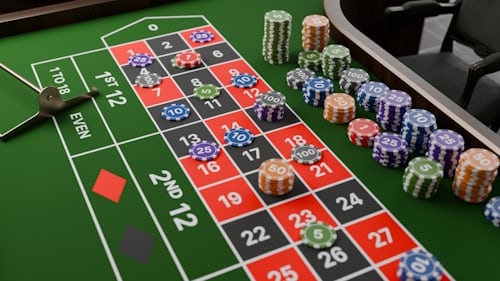
This theme resonates particularly well with audiences, as it mirrors the human experience of taking risks in pursuit of dreams or desires. In works like Dostoevsky’s “The Gambler,” characters are drawn into the seductive world of chance, highlighting their struggles against fate. Such narratives evoke empathy, prompting viewers and readers to reflect on their own experiences with risk and the unpredictable nature of life.
Fate Versus Free Will in Gambling Narratives
Many literary and cinematic works delve into the tension between fate and free will, with gambling often symbolizing this conflict. Characters may find themselves at the mercy of chance, illustrating the extent to which their choices impact their destinies. Films like “21” and novels like “The House Always Wins” examine how the characters grapple with their agency against the backdrop of a system designed to favor the house, or fate, over individual efforts. This historical evolution of gambling narratives highlights the ongoing debate surrounding choice and destiny.
This exploration raises profound questions about control and responsibility. Are the characters simply pawns in a game dictated by fate, or do their choices truly shape their outcomes? These narratives challenge the audience to consider their own beliefs about destiny and the implications of their choices, making the gambling theme a powerful vehicle for storytelling.
The Psychological Stakes of Gambling
At the heart of gambling narratives lies a rich psychological landscape, where characters confront their motivations, fears, and desires. The thrill of the gamble often reveals deeper emotional struggles, such as addiction, ambition, and the quest for identity. In films like “Rounders” and literature such as “The Bet,” the stakes extend beyond mere financial loss, delving into the psychological ramifications of risk-taking and the human condition.
Characters become archetypes of the gambler’s psyche, embodying the highs and lows associated with chance. This psychological depth not only makes for compelling storytelling but also allows audiences to connect with the characters on a more personal level. The gamble becomes a mirror reflecting their own challenges and aspirations, creating a rich tapestry of emotional engagement.
Cultural Reflections in Gambling Themes
Gambling narratives often reflect cultural attitudes toward chance and risk. Different societies have varying perspectives on gambling, influencing how these themes are portrayed in literature and film. For instance, works from cultures that emphasize collectivism may explore community aspects of gambling, while those from individualistic backgrounds may focus on personal ambition and success.
This cultural lens enriches the narrative, allowing audiences to engage with the content on multiple levels. By examining gambling through diverse cultural contexts, these stories not only entertain but also educate viewers about societal values and norms, making the exploration of fate and chance all the more poignant.

Engaging with Gaming Culture
In today’s digital age, gambling themes continue to evolve, intertwining with online gaming culture. Platforms like N1 Casino Australia exemplify how modern storytelling incorporates elements of chance and risk through interactive gaming experiences. These platforms provide players with an array of games, reflecting the narratives and themes prevalent in literature and film.
By offering immersive environments where fate and choice collide, online casinos create a modern-day canvas for exploring these enduring themes. As players navigate their gaming experiences, they engage in a contemporary dialogue about fate, chance, and the psychological stakes inherent in risk-taking. Thus, the age-old fascination with gambling finds new expression, bridging the gap between traditional narratives and modern gameplay.